


The Pallet racking system is engineered to accommodate a wide array of warehouse storage requirements, it is a crucial component in warehouse storage solutions, offering versatility and efficiency to meet various storage demands. Aisle width is central to its adaptability.
Wide aisles provide ample space making them ideal for environments that prioritize accessibility and flexibility. On the other hand, narrow aisles optimize space utilization, catering to warehouses with high-density storage needs and ensuring efficient navigation in confined areas. This flexibility in aisle configuration showcases the pallet racking system’s ability to adapt to the unique requirements of any warehouse setting seamlessly.
Choosing between wide and narrow aisle systems hinges on a careful analysis of inventory throughput, available floor space, and specific storage needs.
This blog will be your guide to enhancing your warehouse’s efficiency and productivity, understanding the unique advantages of each configuration.
Factors to Consider when Choosing Aisle Width
When choosing between wide aisles vs narrow aisles, several factors merit consideration to ensure functionality and safety:
- Flexibility and Scalability: Consider future growth and changes in inventory or operational requirements when selecting an aisle configuration.
- Frequency and Volume of Inventory Movement: Assessing the frequency and volume of inventory movement helps determine the optimal aisle width to accommodate forklifts or other handling equipment efficiently.
- Available Floor Space: Narrow aisles can maximize storage capacity in smaller areas, whereas wider aisles may be more suitable for larger warehouses.
- Storage Density: Narrow aisles allow for higher-density storage by reducing aisle width, while wider aisles provide easier access but may sacrifice storage density.
- Material-Handling Equipment: Narrow aisles require specialized equipment, while wider aisles can accommodate standard forklifts or pallet jacks.
- Accessibility: Wide aisles offer easier access for both personnel and equipment, while narrow aisles may require more precise maneuvering but can maximize storage space.
- Safety: Safety regulations and standards must be followed to ensure adequate aisle width for the safe navigation of equipment and personnel.
Pros and cons of wide aisles selection
Wide aisles offer a range of advantages and disadvantages, each influencing the overall operational dynamics of the storage environment.
Advantages of Wide Aisles
- Easier Navigation: Wide aisles provide ample space for personnel and equipment to move around the storage area.
- Better Accessibility: The additional space makes it easier to access stored goods and maneuver handling equipment.
- Greater Flexibility: Wide aisles can accommodate standard forklifts or pallet jacks, making them suitable for different warehouse operations.
- Improved Visibility: The open layout can provide better visibility and easier access to storage areas.
Disadvantages of Wide Aisles
- Additional Operational Costs: Larger floor areas may require more extensive flooring installations, while adequate lighting can also contribute to increased energy expenses.
- Lower Storage Density: Wider aisles require more floor space, which can reduce the amount of space available for storage.
- Higher Space Requirements: The additional aisle space may require a larger warehouse footprint to accommodate the same amount of inventory.
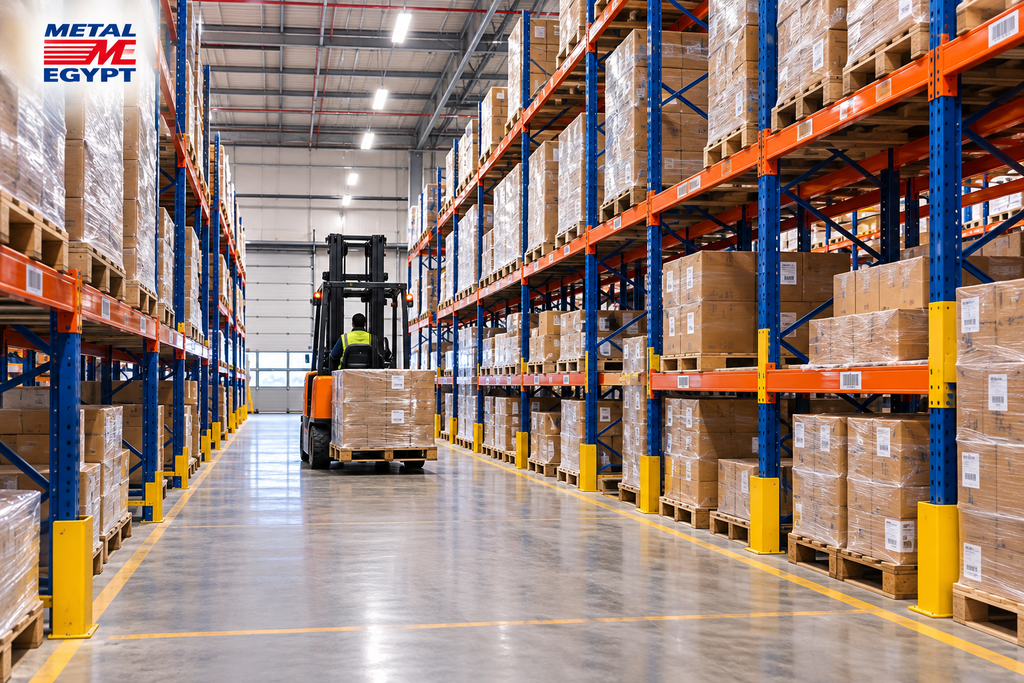
Wide aisles’ different applications
Wide aisles, compared to narrow aisles, play a pivotal role across a diverse range of applications, each benefiting from the unique advantages and considerations associated with this spatial configuration.
- Retail Environments: Wide aisles provide ample space for customers to navigate through stores, creating an inviting and comfortable atmosphere. They also facilitate better sightlines and visibility, allowing customers to explore product offerings more easily.
- Museums and Galleries: Wide aisles provide sufficient space for visitors to move comfortably through high-traffic areas while improving accessibility.
- Airports and Exhibition Halls: Wide aisles can accommodate larger crowds and facilitate smoother movement in areas with high levels of foot traffic.
- Industrial and Warehouse Environments: Wide aisles facilitate the movement of materials, equipment, and personnel. In warehouses, they accommodate forklifts, pallet jacks, and other machinery used for material handling tasks.
- Warehouse Operations: Wide aisles provide easier access to storage racks and shelving units, supporting loading, unloading, picking, packing, and replenishment activities.
Advantages and disadvantages of narrow aisles
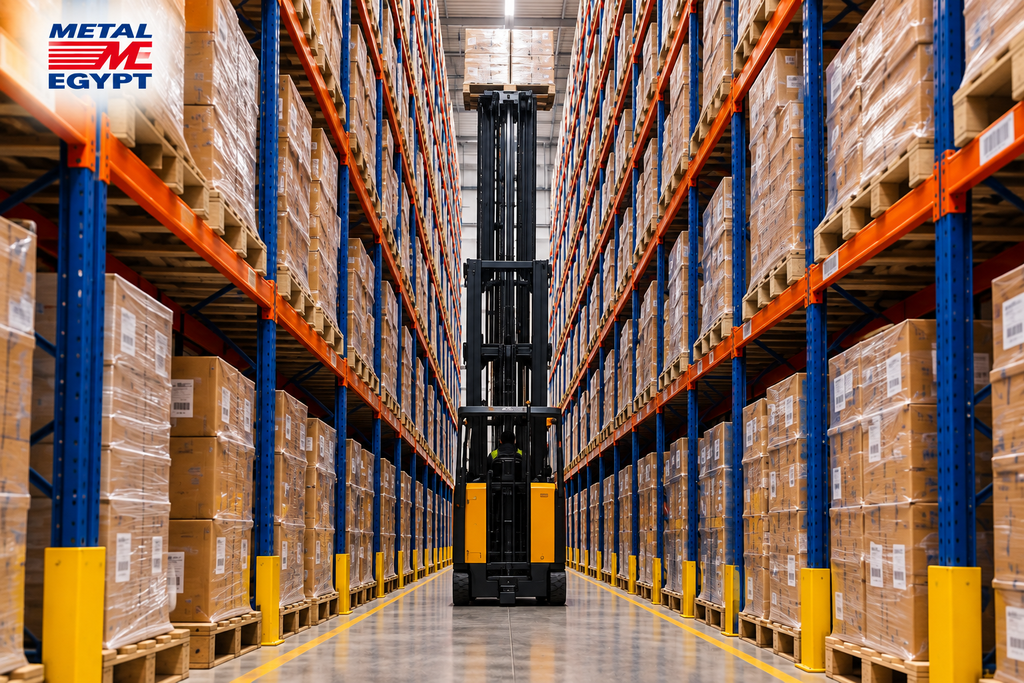
Narrow aisles in pallet racking systems have several advantages, including increased storage density, selective accessibility, improved stock rotation, and cost savings. However, they also require specialized forklift equipment, which can lead to higher costs.
Advantages of Narrow Aisles
- Increased Storage Density: Narrow aisles allow more products to be stored within a limited area.
- Better Use of Floor Space: Reducing aisle width helps optimize available warehouse space.
- Selective Accessibility: Narrow aisle configurations can provide efficient access to stored stock while maximizing storage capacity.
- Improved Stock Rotation: The efficient use of storage space can support organized inventory management and stock rotation.
Disadvantages of Narrow Aisles
- Specialized Equipment: Narrow aisles require specialized forklift equipment for safe and efficient operation.
- Higher Equipment Costs: Specialized forklifts can be more expensive than standard forklifts or pallet jacks.
- More Precise Maneuvering: Operating equipment in confined spaces requires greater precision and skilled operation.
Ultimately, the decision between narrow and wide aisles depends on the specific requirements of the warehouse, taking into account safety considerations, future growth, and flexibility.
Narrow aisles’ various settings
Narrow aisles can be used in different settings depending on space availability, storage requirements, and operational needs.
- Retail Environments: Narrow aisles can optimize space utilization, allowing retailers to display a greater number of products. However, they may potentially disrupt customer flow and accessibility, particularly in busy stores.
- Warehouse Settings: Narrow aisles are integral components of high-density storage systems. They facilitate efficient use of space and can significantly enhance storage capacity, particularly when paired with specialized equipment such as narrow aisle forklifts.
- High-Density Storage Operations: Narrow aisle configurations are particularly useful where maximizing storage capacity within a limited floor area is a priority. However, navigating confined spaces requires skilled operation to maintain safe warehouse operations.
Wide Aisles vs Narrow Aisles: Key Differences
| Factor | Wide Aisles | Narrow Aisles |
| Storage Density | Lower storage density due to wider aisles | Higher storage density by reducing aisle space |
| Accessibility | Easier access and maneuverability | More precise maneuvering required |
| Forklift Requirements | Standard forklifts or pallet jacks may be suitable | Specialized forklift equipment may be required |
| Floor Space | Requires more space for aisles | Makes better use of available floor space |
| Best Suited For | Warehouses prioritizing accessibility and flexibility | High-density storage environments |
| Operational Considerations | Easier movement of personnel and equipment | Requires careful equipment operation and planning |
Metal Egypt’s Versatile Pallet Racking Solutions
After getting to know about core differences between wide aisles vs narrow aisles, it is the perfect time to introduce Metal Egypt as a leading provider of versatile pallet racking solutions, catering to diverse warehouse storage needs with a comprehensive range of options that include both wide and narrow aisles. Metal Egypt’s pallet racking systems are engineered to offer unparalleled flexibility and efficiency, seamlessly adapting to the unique requirements of any storage environment. With wide aisles, Metal Egypt empowers businesses to prioritize accessibility and ease of navigation, ensuring ample space for maneuverability and enhancing customer experience. Conversely, narrow aisles optimize space utilization, allowing warehouses to maximize storage capacity and efficiency, particularly in high-density storage applications. By offering both wide and narrow aisle configurations, Metal Egypt provides customers with the flexibility to choose the solution that best aligns with their specific needs and operational preferences. With Metal Egypt’s pallet racking solutions, businesses can optimize their storage space while enhancing productivity and workflow efficiency, regardless of whether they opt for wide aisles or narrow aisles.